Hurricane Home Preparation 2026: What to Do Before, During, and After
Build your plan for Hurricane
Free, no sign-up, takes 5 minutes.
September 2022. Hurricane Ian. Over 150 people killed in Florida in a matter of hours. Most were caught in vehicles and ground-floor residences, places they should not have been if someone had clearly explained what to do and, more importantly, what NOT to do when the water starts rising that fast.
The hardest part to accept: a large portion of those deaths were preventable. Basic preparation and correct decisions at the right moment. That is all.
What you have here is the complete hurricane home preparation protocol. Before, during, and after. With real data from what worked and what failed in recent US hurricanes. No sugar-coating.
This protocol is built from official reports by NOAA and FEMA, firsthand accounts from affected residents collected in the weeks following recent disasters, and the preparedness guides from the National Hurricane Center and the Red Cross. Where we include technical data, we cite the source.
What Makes Hurricanes So Dangerous for Coastal and Low-Lying Areas
What is a hurricane? A hurricane is a tropical cyclone with sustained winds of at least 74 mph, organized around a low-pressure center (the eye). The real danger for most people is not the wind — it is the storm surge and inland flooding. Storm surge during Hurricane Ian reached 12-18 feet in parts of Fort Myers Beach. Water that high does not give you time to react.
Hurricanes form over warm ocean water (at least 80 degrees Fahrenheit) and can dump extraordinary amounts of rain. Hurricane Harvey dropped over 60 inches on parts of Houston in 2017. That is nearly five feet of rain in four days. No drainage system in the world can handle that.
The areas most at risk in the US include the Gulf Coast (Texas to Florida), the Atlantic coast (Florida to the Carolinas), and any low-lying area near rivers or coastlines. But the risk is expanding. Hurricane Helene in 2024 devastated inland communities in western North Carolina that had never expected catastrophic flooding.
If you want to know your specific risk, check the FEMA Flood Map Service Center — it shows your property’s flood zone designation. Zones A and V mean high risk. Zone X means moderate to low. But as Helene proved, “moderate risk” does not mean “no risk.”
Before the Hurricane: What to Do This Week
Check Your Insurance
This is the part nobody wants to deal with but that saves you financially after a disaster. Standard homeowner’s insurance does NOT cover flood damage. You need a separate flood insurance policy through the National Flood Insurance Program (NFIP) or a private insurer. These policies typically have a 30-day waiting period, so do not wait until a hurricane is in the forecast.
Document your home and possessions now. Walk through every room with your phone camera, photograph serial numbers on electronics, and upload everything to the cloud. After a flood, the insurance claims process requires documentation of what you owned and its condition before the event.
Build Your Hurricane Supply Kit
The baseline is 72 hours of self-sufficiency, but recent hurricanes have shown you need more. We recommend 7-14 days.
Water: 1 gallon per person per day. For a family of 4 and 7 days: 28 gallons. Use 7-gallon HDPE containers — more durable than grocery store gallon jugs and they stack.
Food: Non-perishable items that do not require cooking or refrigeration. Canned goods, peanut butter, crackers, dried fruit, energy bars. A camping stove with butane cartridges gives you the ability to heat food — but NEVER use it indoors. Carbon monoxide kills.
Power and communication: Charged power banks, extra batteries (stored outside devices), and a hand-crank emergency radio. When cell towers lose backup power in 4-8 hours, the radio is your lifeline.
First aid and medications: A complete first aid kit plus a minimum 7-day supply of all prescription medications. If you take insulin or other temperature-sensitive medication, have a cooler with ice packs ready.
Cash: $200-300 in small bills. Credit card terminals do not work without power.
For the complete list, see our 72-hour emergency kit guide.
Prepare Your Home
- Board windows or install hurricane shutters if you are in a Category 3+ zone
- Clear the yard of anything that becomes a projectile in high winds: patio furniture, potted plants, grills
- Fill bathtubs with water for flushing toilets (the pump that moves water to your apartment may lose power)
- Move valuables and important documents to the highest floor
- Know how to shut off gas, water, and electricity at the main — and make sure every adult in the house knows too
- Gas up the car. Full tank. Gas stations cannot pump without electricity
Know Your Evacuation Zone
If local authorities issue an evacuation order for your zone, leave. No exceptions. The people who stayed during Ian despite mandatory evacuation orders account for most of the casualties.
Have two evacuation routes planned (see our family evacuation plan guide). Leave early. Traffic gridlock during a hurricane evacuation can turn a 2-hour drive into 12 hours.
During the Hurricane: What to Do and What to Absolutely Not Do
If you shelter in place:
- Stay on the highest floor, away from windows
- Do not go outside during the eye of the storm. The calm is temporary and the wind returns from the opposite direction, often stronger
- Do not open doors or windows “to equalize pressure.” This is a myth that can destroy your roof
- If water enters, go UP. Never down. Basements and garages are death traps in a flood
- Conserve your phone battery. Switch to airplane mode and only check for emergency alerts periodically
If you must evacuate during the storm:
- Do NOT drive through standing water. Turn Around, Don’t Drown is not a slogan — it is survival advice. 12 inches of water can float a car. 2 feet of water can carry an SUV
- If your car stalls in water, abandon it immediately and move to higher ground
- Call 911 only for life-threatening situations. Lines will be overwhelmed
Communication:
- Text messages go through when calls do not (they use less bandwidth)
- Your out-of-area emergency contact is the communication hub. Everyone reports to them
- If cell service is down, AM/FM radio on your hand-crank radio is your information source. NOAA Weather Radio broadcasts on specific frequencies — program them before the storm
After the Hurricane: The Dangers Nobody Talks About
The immediate aftermath is often more dangerous than the storm itself.
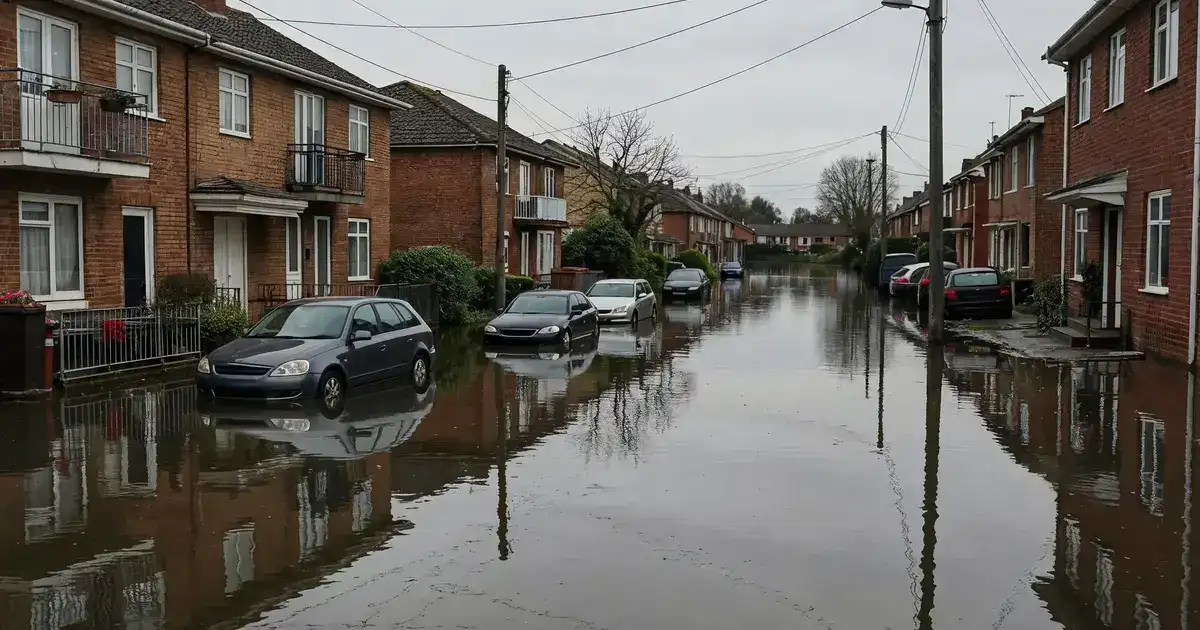
Floodwater is toxic. It contains sewage, chemicals, fuel, dead animals, and debris. Do not wade through it without waterproof boots. Do not let children play in it. Any wound exposed to floodwater needs immediate cleaning and monitoring for infection.
Do not return home until authorities clear your area. Structural damage may not be visible. Gas leaks can cause explosions. Downed power lines can electrify standing water.
Check before you enter:
- Look for structural damage from outside first. Cracks in the foundation, shifted walls, sagging roof
- Smell for gas. If you detect it, leave immediately and call the gas company
- Do not turn on electricity until an electrician inspects the panel and wiring
- Photograph EVERYTHING for insurance before cleaning up. Every room, every item, every water line
Food safety: The refrigerator keeps food safe for about 4 hours without power (do not open it). A full freezer holds temperature for 24-48 hours. After that, when in doubt, throw it out. Foodborne illness after a hurricane is a real and common risk.
Mental health: Disasters cause lasting psychological impact. FEMA’s Crisis Counseling Program provides free support. The Disaster Distress Helpline (1-800-985-5990) is available 24/7. Do not dismiss the emotional toll, on yourself or your family.
The Checklist That Saves Lives
One month before hurricane season (June 1):
- Review and update flood insurance
- Photograph all possessions and upload to cloud
- Stock hurricane supply kit (water, food, medications)
- Verify evacuation routes and meeting points
- Charge all power banks and check battery stock
When a hurricane watch is issued (48 hours out):
- Top off the car’s gas tank
- Fill bathtubs with water for toilet flushing
- Move important documents to highest floor in waterproof bags
- Withdraw cash from ATM
- Charge all devices to 100%
- Contact out-of-area emergency contact
When a hurricane warning is issued (36 hours out):
- Board windows or close hurricane shutters
- Bring outdoor furniture inside or secure it
- Freeze water bottles to use as ice packs (and later as drinking water)
- Fill prescriptions if running low
- If in an evacuation zone: LEAVE. Do not wait
Nobody wants to think about hurricanes until one is in the forecast. By then, every store is out of plywood and water, every gas station has a line around the block, and the evacuation routes are parking lots. The families who prepare in advance handle it. The ones who do not are at the mercy of overwhelmed emergency services.
If you want to understand the full context of emergency preparedness, our ultimate guide to emergency preparedness covers the broader picture.
Start with one thing this week: check your flood zone on FEMA’s map. Everything else follows from knowing your risk.
In real emergencies, always follow the instructions of FEMA, the National Hurricane Center, and official emergency services (call 911). The information in this article is guidance for preventive preparation and does not replace the advice of emergency professionals, doctors, or authorities.
Prices shown are approximate and may vary. Check the current price on Amazon before purchasing. EmergencyKitLab is a participant in the Amazon Associates Program: when you buy through our links, we receive a small commission at no additional cost to you.
Looking for products mentioned in this article?
Products reviewed by our team on Amazon, all rated 4+ stars.
Build your plan for Hurricane
Exact quantities, verified products, and a personalized shopping list for Hurricane. Free in 5 minutes.
Plan for HurricaneEmergency preparedness editorial team
The EmergencyKitLab editorial team. Emergency logistics specialists and first responders. We write from real-world experience with supply disruptions and natural disasters.
Frequently Asked Questions
How do I know if my area has flood risk from hurricanes?
What is the difference between a hurricane and a regular storm?
What should I do if water starts entering my house during a flood?
What weather alerts should I set up before hurricane season?
What documents should I protect and keep in my evacuation bag?
Related Articles
72-Hour Emergency Kit 2026: Checklist + Budget (Family)
EmergencyKitLab 2026 guide: complete 72-hour kit checklist from $50/person. Winter Storm Uri-tested tips + the #1 water mistake families still make.
15 min readFamily Evacuation Plan 2026: Step by Step
Escape routes, meeting point, roles for each person, and practice drill: create your family evacuation plan step by step and act before the emergency arrives.
9 min readEmergency Preparedness: The Ultimate Guide for US Families (2026)
Complete emergency preparedness guide for American families. FEMA-based checklists, real budgets, and the mistakes most people make.
18 min read