Emergency preparedness in Mountain West
Colorado, Utah, Montana, Wyoming, and Idaho. Wildfires, winter storms, avalanches, and remote isolation define this region. The Marshall Fire in 2021 destroyed over 1,000 homes in Boulder County, Colorado — the most destructive wildfire in state history (FEMA). Mountain communities can be snowbound and isolated for days after major storms (NWS). The region has seen explosive wildfire growth driven by drought and beetle-kill forests (USFS).
Create my emergency plan — FreeFree · No signup · 5 minutes
Why prepare in Mountain West?
Marshall Fire
Wind-driven wildfire in Boulder County, Colorado destroyed over 1,000 homes in suburban neighborhoods. The most destructive fire in Colorado history, fueled by drought and 100 mph wind gusts.
Montana Flooding
Record flooding along the Yellowstone River destroyed roads, bridges, and homes. Yellowstone National Park was closed for months. Entire communities were cut off.
Colorado Snowstorm
Bomb cyclone brought blizzard conditions and 80 mph winds to eastern Colorado and the Front Range. Interstate 25 was closed, thousands of motorists stranded, and power was out for days.
These events are real and recent. Preparing ahead of time lets you react calmly and protect your family when it matters most.
Would your family be ready today?
In less than 5 minutes you will know exactly what you need: water, food, gear and communications based on the number of people and the risks in your area.
Find out what I needFree · No signup · 5 minutes
Gear checklist for Mountain West
Water for 7 days
Mountain communities can be cut off by snow or fire for a week or more
Tire chains and winter car kit
Mountain passes close without warning; getting stranded is a real possibility
N95 masks
Wildfire smoke fills mountain valleys and can persist for weeks
Backup heat source
Power outages in below-zero temperatures are life-threatening without backup heat
Extended food supply
Remote mountain towns may lose road access for several days after a storm
Hand-crank radio
Cell service is spotty or nonexistent in many mountain areas
The planner adjusts quantities, categories and products based on the number of people, duration and the specific risks of your area.
Calculate exactly what my family needsFree · No signup · 5 minutes
Recommended products for Mountain West
Selection based on the specific risks of this area.
Products selected by our team · Based on official sources (FEMA, Red Cross)
The product selection below is based on the analysis of the specific risks of Mountain West and on the experience of emergency preparedness specialists. Every product was chosen for its reliability in real conditions, not just for the manufacturer specs.
Before you buy, evaluate which categories are priority for your family situation: the number of people, the presence of children or older adults, and whether your plan includes staying home or evacuating completely change the needs. Our free planner calculates the exact quantities for your case in less than five minutes.
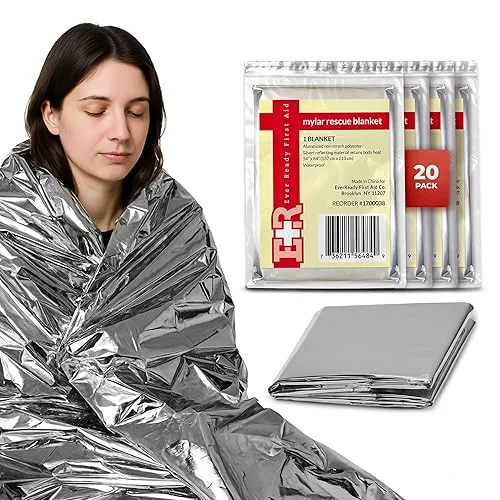
shelter-warmth
Ever Ready First Aid Mylar Rescue Blanket, Large Silver Thermal Sheet for Emergency and Survival, 54” x 84” – 20 Count
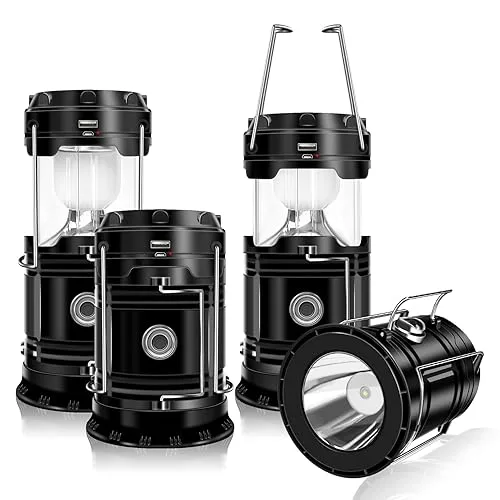
power-lighting
DIBMS 4-Pack Solar Camping Lantern, Collapsible LED Solar USB Rechargeable Lantern Flashlight Emergency Hanging Lights f

communication
Solar Hand Crank Emergency Weather Radio,NOAA/AM/FM Portable Radio with 3 LED Flashlight 2000mAh Power Bank Cellphone Ch
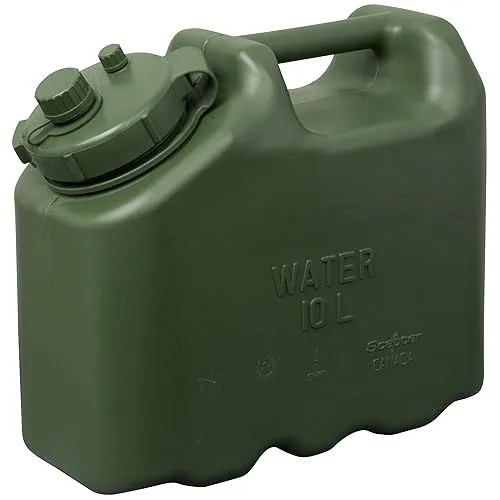
water-filtration
Scepter 2.5 Gallon True Military BPA Free Water Container, Food Grade Water Jug for Camping and Emergency Storage, Green
These products are a starting point, not a definitive list. Your family's real needs depend on factors only you know: allergies, chronic medication, pets, reduced mobility or the presence of young children.
Use our planner to get a personalized list that takes all those factors into account and adjusts the quantities to the exact number of people and days you want to cover.
Affiliate links. If you buy through them, we receive a small commission at no extra cost to you. Read our affiliate policy.
Frequently asked questions about Mountain West
How do I prepare for mountain isolation?
Are wildfires a risk in the mountains?
What if I get stranded on a mountain pass?
Other risk areas in the US
Northeast
Blizzards and nor'easters, Coastal flooding and storm surge
Southeast
Hurricanes and tropical storms, Extreme heat and humidity
Midwest
Tornadoes and severe storms, Ice storms and blizzards
Southwest
Extreme heat and drought, Flash floods
West Coast
Earthquakes, Wildfires
Pacific Islands
Hurricanes and tropical storms, Tsunamis
Protect your family in Mountain West — in less than 5 minutes
Our planner generates a personalized plan with shopping list, exact quantities and recommended products for the risks of your area. Free, no signup.
Create your plan for Mountain